
Testicular Tissue: Causes and Treatments
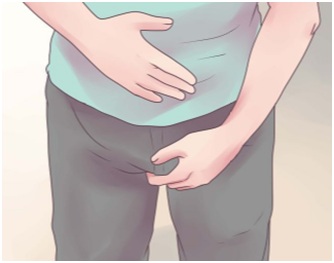
Scrotal swelling is an enlargement of the scrotal sac. The scrotal sac, or scrotum, houses the testicles. Scrotal swelling can occur due to injuryor an underlying medical condition. It may be caused by an accumulation of fluid, inflammation, or an abnormal growth within the scrotum.The swelling may be painless or very painful . If the swelling is painful you should seek emergency treatment.
If you suspect that you have the disease, or notice redness, swelling, pain , or inflammation of the scrotum or testicle, call doctor immediately. Do not delay medical care.Go to a hospital's emergency department if you are unable to contact or see doctor promptly, or if symptoms worsen despite antibiotic treatment.
In severe cases and depending on the cause, not receiving timely treatment can result in the loss of your testicles due to the death of tissue.
The causes of inflamed testicles
• Orchitis - A condition, caused by one of many types of bacteria or viruses, in which one or both of the testicles are inflamed; can cause inflammation of the epididymis.
• Epididymitis - Inflammation of the epididymis (the tube along the back of the testicle that carries and stores sperm). Chlamydia and gonorrhea can cause epididymitis.
• Injuries - Testicle injuries can lead to pain and swelling.
• Inguinal hernia - A condition in which a portion of the intestines pushes through a gap or weakened area of tissue that separates the abdomen and inguinal region (groin). These hernias might look like a mass or lump in either the scrotum or higher up in the groin and can cause swelling of the testicles.
• Testicular torsion - Testicular torsion is a painful condition in which the testicular sac becomes twisted or rotated, causing the blood flow from the spermatic cord to be cut off. Seek medical attention immediately, as the lack of blood flow and can quickly cause severe damage that might lead to the testicle(s) needed to be removed.
• Spermatoceles - Cysts that form on the epididymis. They are benign fluid-filled sacs that are typically painless unless infected.
• Testicular cancer presents itself as tumors . These lumps of abnormal testicular tissue can usually be felt in the scrotum, and can occasionally cause pain and/or swelling.
• Hydrocele - A condition in which excess fluid accumulates in the space between the layers of the sacthat surrounds each testicle. It can cause pain, redness and swelling and is typically caused by either an injury or infection.
• Varicoceles - Enlarged veins that run alongside the spermatic cord in the scrotum. Often a varicoceleis painless with no symptoms, but overtime it can cause impaired sperm production or, in rare cases, infertility since the widened vein(s) press against the spermatic cord.
Some of these conditions are very serious, so if you are experiencing pain or swelling in the testicles, seek emergency medical care. Even if there is no pain accompanying one or both swollen testicles, it is important to get examined (and treated if necessary) by a doctor to rule out cancer or to avoid complications of regular testicular function or the loss of one or both testicles.
Which STDs cause testicle swelling?
Chlamydia and gonorrheaare most commonly associated with testicle swelling, as well as a host of other symptoms. Chlamydia is the most commonly transmitted STD and is often a “co-infection” with gonorrhea. Both infections are easily treated with antibiotics and can even be treated with a single dose if the infections are caught early.
• Bacteria that commonly cause orchitis include Escherichia coli, Staphylococcus, and Streptococcus. A prostate infection may occur in conjunction with orchitis.
• Bacteria that cause sexually transmitted diseases (STD), such as gonorrhea, chlamydia, and syphilis, can cause orchitis in sexually active men, usually aged 19-35 years. You may be at risk if you have many sexual partners, are involved in high-risk sexual behaviors such as unprotected sex, if your sexual partner has had an STD, or if you have a history of STDs.
• The virus that causes mumps can cause orchitis, as well. Most common in young boys (rare in boys younger than 10 years), orchitis begins four to six days after mumps begins. A third of boys with mumps will develop orchitis and end up with a condition called testicular atrophy (shrinking of the testicles). That’s why it is so critical for all children, boys especially, to have shots to protect them from getting the childhood disease of mumps.
• You may be at risk for non-sexually transmitted orchitis if you haven’t had proper vaccination against mumps, if you get urinary tract infections, if you are older than age 45, or if you frequently have a catheter placed into your bladder
Signs of scrotum swelling
In addition to a visible enlargement of the scrotal sac, you may have additional symptoms. The symptoms you experience will depend on the cause of the swelling.
Common symptoms that may be experienced alongside scrotal swelling include a lump in the testicle and pain in the testicles or scrotum.
Orchitis Symptoms
With orchitis, you may have a rapid onset of pain in one or both testicles that may spread to the groin.
• One or both of your testicles may appear tender, swollen, and red or purple.
• You might have a "heavy feeling" in the swollen testicle.
• You might see blood in your semen .
• Other symptoms include high fever, nausea, vomiting, pain with urination , or pain from straining with a bowel movement, groin pain, pain with intercourse, and simply feeling ill.
In epididymo-orchitis, the symptoms are similar and may begin rapidly or progress more gradually.
• Orchitis causes a localized area of pain and swelling in the testicle for one to several days.
• Later, infection increases to involve the whole testicle.
• Possible pain or burning before or after urination and penile discharge are also seen.
Diagnosis to Identifying the cause
Mention to doctor any symptoms you are experiencing with the scrotal swelling. Let him know if your scrotum is painful or contains a lump. After gathering this information, doctor will perform a physical examination.The examination will include a physical inspection of the scrotum. At this point, they will ask when you noticed the swelling and what activities you were doing before the swelling.If necessary, the doctor may perform a scrotal ultrasound to view the inside of the scrotum. This imaging test will let them see if there are any abnormalities within the scrotal sac.
Treatment options for scrotal swelling [h2]
Treatment options for scrotal swelling depend on the cause. If an infection caused the swelling, doctor will prescribe antibiotics to fight the infection. If oral antibiotics do not work, you may have to receive intramuscular antibiotics or be hospitalized for IV antibiotics.Treatment of an underlying medical condition that is linked to your symptoms is important in your recovery. doctor can prescribe medications to help you manage your pain and may recommend a supportive garment to ease pain and swelling. Surgery may be necessary to correct the condition if the underlying cause is varicocele, hernia, or hydrococele.Testicular cancer has several treatment options, which will depend on the severity of the cancer. Whether the cancer has spread, and how long it went undetected will determine your treatment, which normally consists of the following:
• chemotherapy
• radiation therapy
• surgery, which involves removing cancerous tissue and cancerous tumors from the scrotal sac
Home treatment
In addition to receiving care from doctor, they may suggest at home treatment options, including:
• using ice on the scrotum to relieve swelling, normally within the first 24 hours of noticing the swelling
• taking an over-the-counter pain reliever
• wearing athletic support
• using a sitz, or shallow bath to reduce swelling
• avoiding strenuous activities
Outlook
The outlook for scrotal swelling varies depending on the severity of the swelling and the cause. Swelling due to injury will generally pass with time, while other causes require extensive treatment. With early diagnosis and proper treatment, the outlook is generally good.
